Hip pain, discomfort in the groin, a “click”, or the feeling that the joint is locking should not be ignored. They often point to a problem inside the hip that needs specialist assessment and targeted treatment.
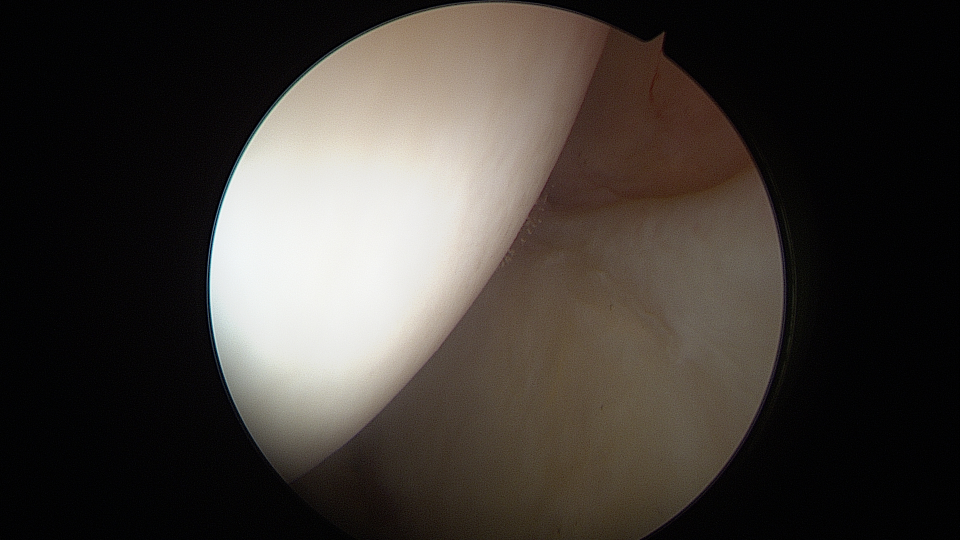
Hip arthroscopy is a modern, minimally invasive operation carried out through very small incisions using a high-definition camera (the arthroscope) -in the manner of an endoscopic procedure. It allows damage inside the joint to be diagnosed and treated with great precision and with markedly less surgical trauma than open surgery.
In Thessaloniki, hip arthroscopy is performed by only a small number of specialist surgeons. Dr Alexandros Tzaveas, Orthopaedic Surgeon, has extensive experience and specialist expertise in open and arthroscopic hip surgery, and takes on cases that demand a high degree of technical precision and a sound treatment strategy.
WHAT IS HIP ARTHROSCOPY?
Hip arthroscopy is an operation that allows the surgeon to enter the joint through small portals and correct the problem from within, without open surgery. Advantages of hip arthroscopy: -very small incisions -less pain after the operation -a shorter hospital stay -faster mobilisation -a faster return to work and to everyday activities -greater precision when working inside the joint
WHEN IS HIP ARTHROSCOPY NEEDED?
The operation is indicated in patients whose symptoms suggest intra-articular pathology. The most common symptoms are: -pain in the groin -pain at the front of the thigh or in the buttock -a sensation of “locking” or of a mechanical block -difficulty with stairs, with driving or with sitting for long periods -discomfort during sport
WHICH CONDITIONS DOES ARTHROSCOPIC HIP SURGERY TREAT?
Hip arthroscopy is indicated when there is a problem inside the joint that is confirmed by clinical examination and imaging.
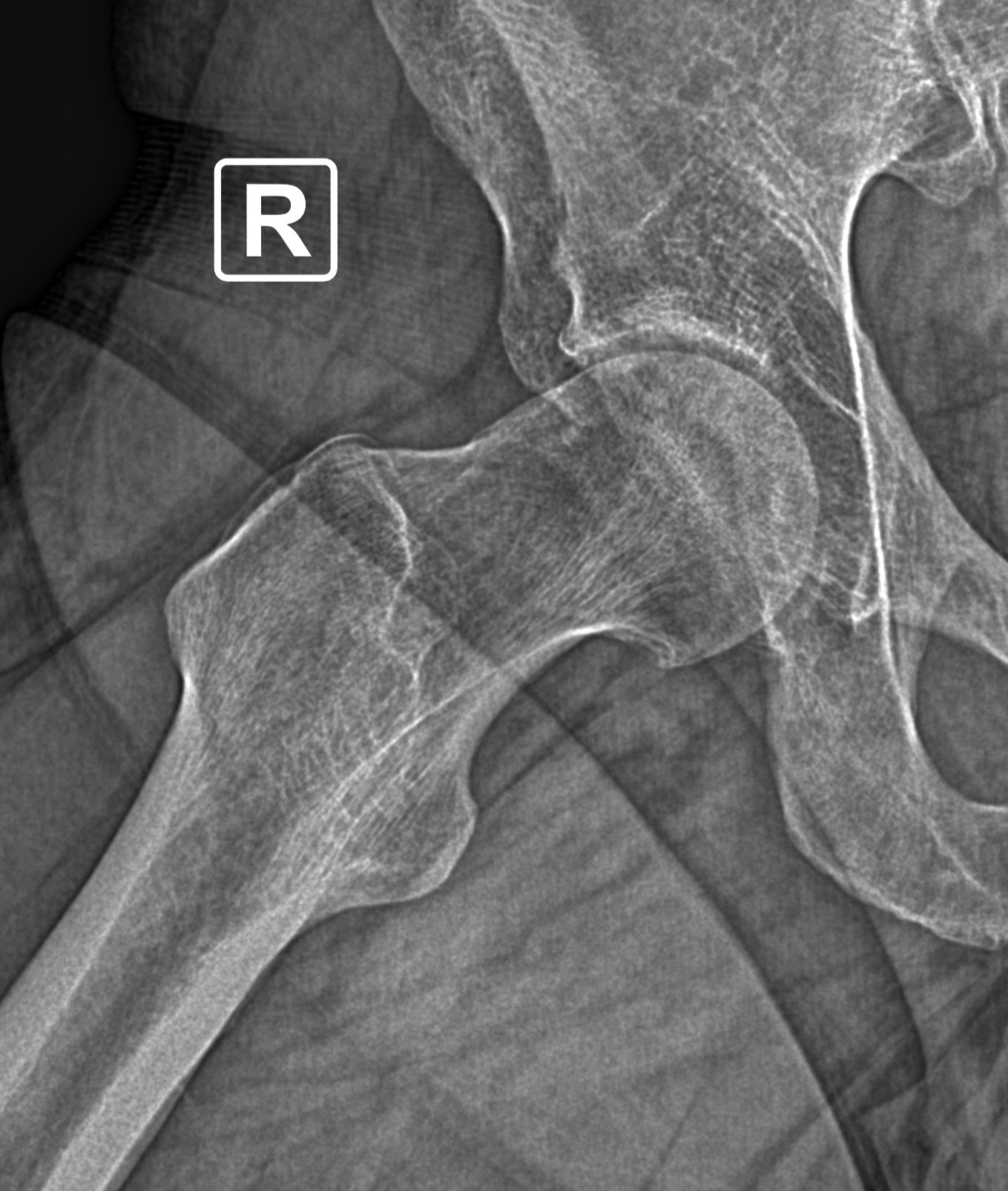
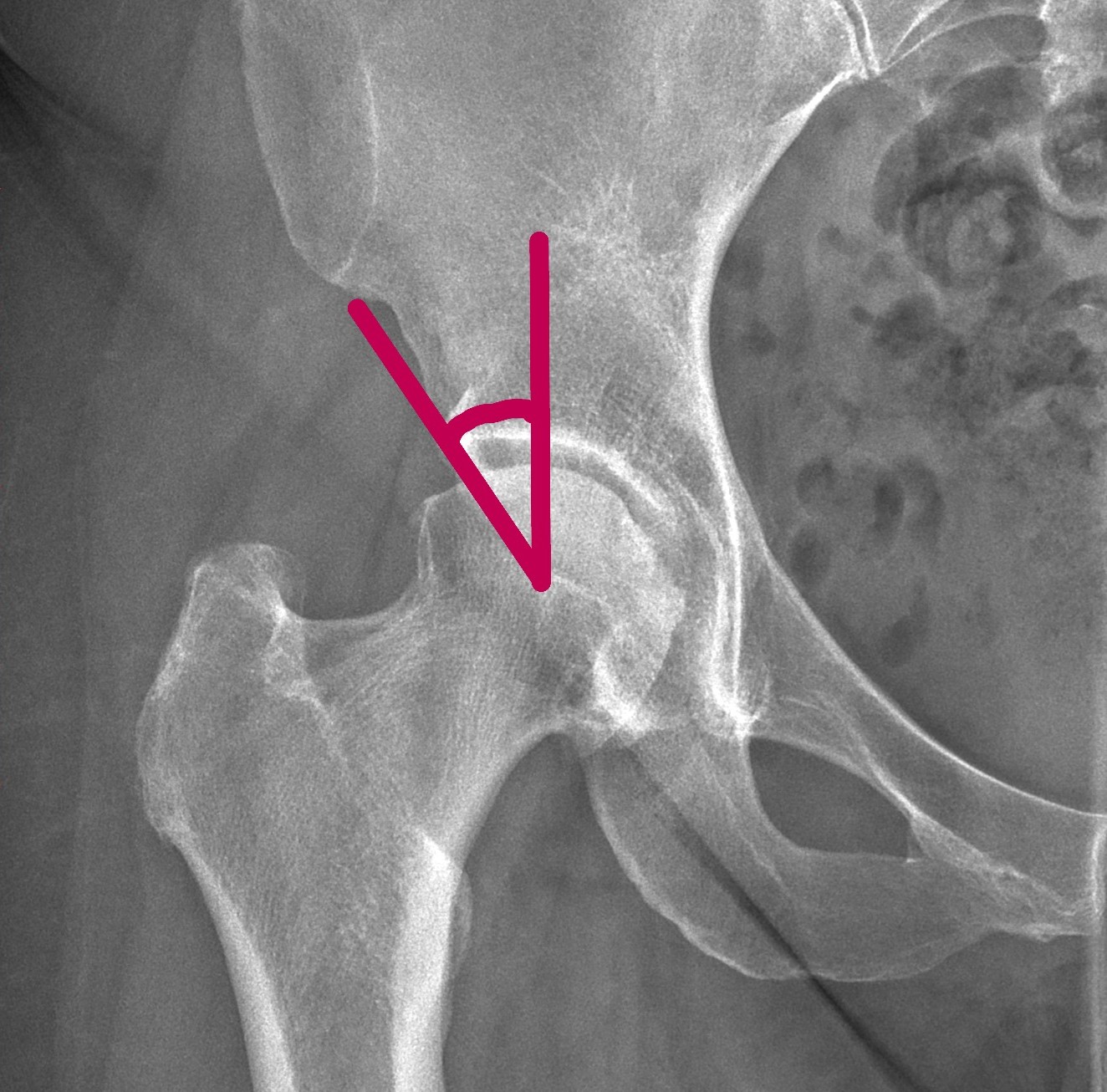
1) FEMOROACETABULAR IMPINGEMENT (FAI – CAM / PINCER) This is an anatomical “conflict” within the hip that causes progressive wear and places the joint under strain. It is one of the most common causes of pain in young and active patients.
2) TEAR OF THE LABRUM (LABRAL TEAR) Damage to the labrum causes pain, a “click” and a sensation of catching. At arthroscopy it is repaired or reattached.
3) ARTICULAR CARTILAGE LESIONS (CHONDROPATHY) In selected cases these can be treated arthroscopically, improving both function and symptoms.
4) LOOSE BODIES / SYNOVITIS / OSTEOPHYTES These cause mechanical pain or “locking” and can be removed or treated within the joint.
5) ILIOTIBIAL BAND SYNDROME It arises from excessive sporting activity, muscular imbalance of the pelvis or anatomical variants of the hip, and surgical lengthening of the band is recommended.
6) AVASCULAR NECROSIS OF THE FEMORAL HEAD (AVN) This is a serious bone condition in which part of the subchondral bone undergoes necrosis. Drilling of the femoral head (core decompression) is performed so that stimulation of the bone prompts the formation of new bone.
7) TEAR OF THE HIP ABDUCTOR MUSCLES This mainly involves the gluteus medius, which supports walking and external rotation of the hip. The operation aims to reattach it (repair) when conservative treatment has failed and the pain is severe.
8) SUBCHONDRAL BONE AUGMENTATION (SUBCHONDROPLASTY) This is used for subchondral bone lesions and cysts in the region of the acetabulum. At hip arthroscopy the subchondral bone is augmented, reinforcing it and filling the cysts in order to reduce pain.
9) REMOVAL OF MASSES AND TUMOURS (INTRA-ARTICULAR OR INTRACAPSULAR)
10) EARLY OSTEOARTHRITIS The joint is cleared out (debridement) to remove inflammatory tissue and to address any associated damage that is placing the joint under strain.
WHEN IS IT SUITABLE FOR ME?
Correct selection of the case is the single most important element of success.
Hip arthroscopy gives excellent results when:
- there is no advanced arthritis
- there is a mechanical cause that can be corrected (FAI/labrum)
- the patient has pain that affects daily life or sport
- conservative treatments have failed (physiotherapy/medication)
HOW IS THE OPERATION PERFORMED?
The operation is performed under anaesthesia and usually requires 2–3 small incisions. During surgery the surgeon may:
remove the CAM/PINCER lesion
repair the labrum
treat lesions of the articular cartilage
remove loose bodies or inflamed tissue
REHABILITATION – HOW QUICKLY WILL I BE BACK?
Rehabilitation starts immediately, with graded weight-bearing and physiotherapy. Typically:
-walking with crutches for 4–6 weeks
-return to office work: 5–7 days
-return to sport: 2–4 months
-full consolidation of the result: 4–6 months
HIP ARTHROSCOPY AND THE EXPERIENCE OF THE SURGEON
Hip arthroscopy is one of the most technically demanding arthroscopic operations. It requires:
-specialist expertise in arthroscopic hip surgery
-millimetre precision, because of the anatomy
-sound preoperative planning
-the ability to offer a complete approach
For this reason very few surgeons in Greece perform it. Dr Alexandros Tzaveas (Orthopaedic Surgeon) has a special interest and experience in arthroscopic hip surgery and in open hip surgery, with experience gained through involvement in more than 1,500 orthopaedic procedures, covering every demanding case in full.
REHABILITATION AFTER HIP ARTHROSCOPY
Rehabilitation begins in the first few days and is adapted to the nature of the problem. Typically:
-walking with support (crutches) for 4–6 weeks
-physiotherapy from an early stage
-return to office work: 5–7 days
-return to sport: 2–4 months
-full “maturation” of the result: 4–6 months
BOOK AN APPOINTMENT – HIP ASSESSMENT IN THESSALONIKI
If you have symptoms in the hip and would like to know whether arthroscopy is the right solution, you can book an appointment for a specialist assessment. Dr Alexandros Tzaveas, Orthopaedic Surgeon in Thessaloniki, offers a thorough assessment and specialist treatment with an emphasis on hip surgery (open and arthroscopic).